Introduction
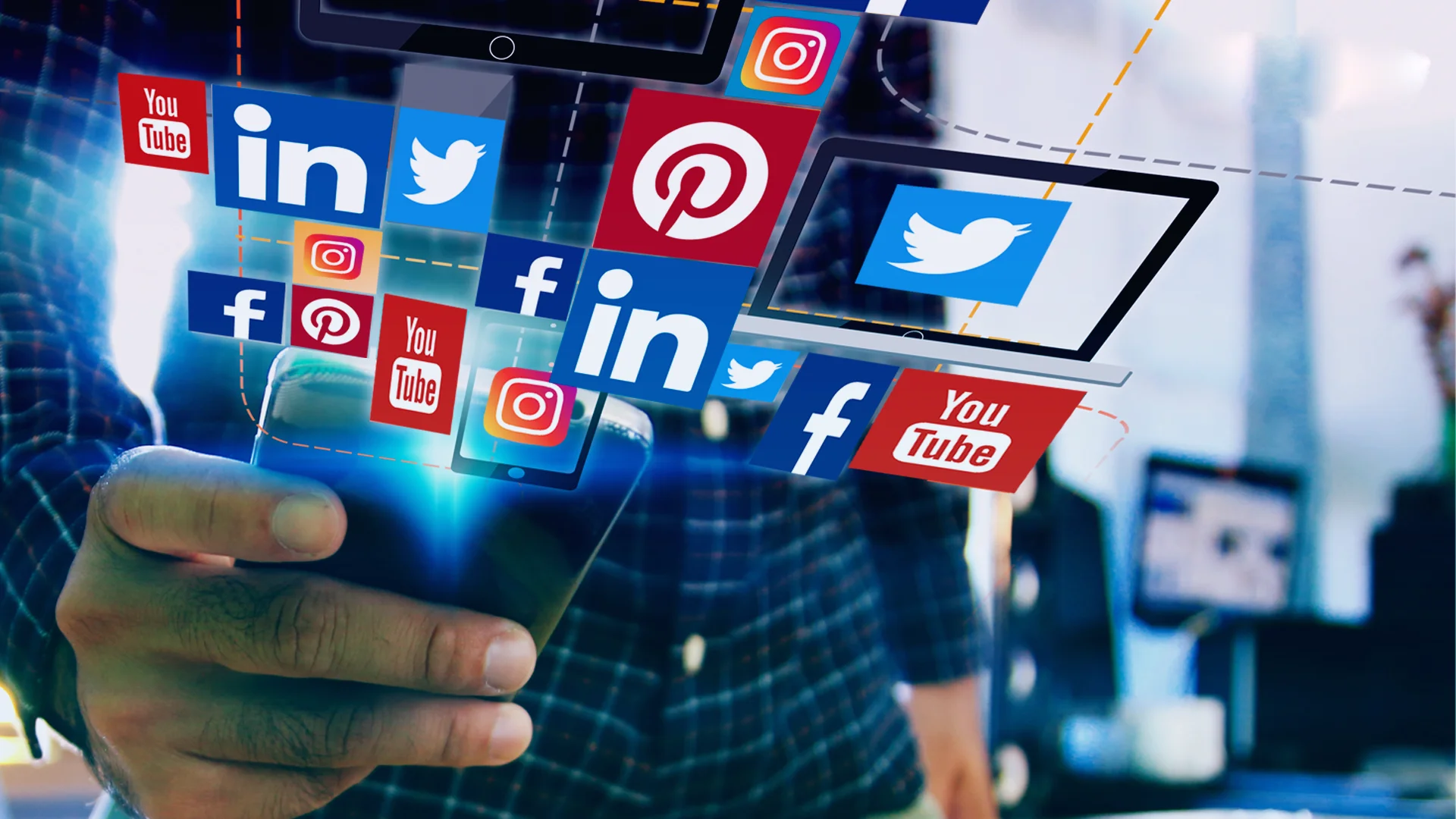
Social media has evolved into one of the most powerful marketing channels for brands and businesses in 2026. Instagram, TikTok, YouTube Shorts, and Facebook enable marketers to reach millions of users within minutes. A successful viraling campaign might turn a small brand into an internationally known name in only one night.

Today, viral marketing is not just about fun content; it’s a strategic approach to marketing in building brand awareness, trust, engagement, and sales.
- Introduction
- What is a Social Media Viral Campaign?
- Types of Social Media Viral Campaigns in 2026
- Why Social Media Viral Campaigns Are Important
- Strategies to Create a Viral Social Media Campaign
- Future of Viral Campaigns on Social Media
- Conclusion
What is a Social Media Viral Campaign?
Social media viral campaigns include the content that goes viral and the means by which people share information through likes, comments, sharing, re-sharing, etc. Essentially, the main aim of a viral campaign on social media is to create content people want to re-share to other people.
Unlike conventional advertisements, a viral marketing promotion relies on audience participation instead of scheduled advertisements. When the audience shares the information voluntarily, it lends credibility to the organization.
Types of Social Media Viral Campaigns in 2026
Moreover, in 2026, various types of viral campaigns are used by brands to maximize reach, engage consumers, and create awareness. All of these campaigns are designed uniquely based on specific criteria and according to specific targets.
1. Challenge-Based Campaign
Challenges-based campaigns require a user to become a part of a challenge by doing a specific act and posting that act on various social media platforms, using a hashtag related to a brand. These campaigns are quite interactive, often requiring a huge amount of user-generated content.
Real Example:
The #IceBucketChallenge soon became the most successful social marketing campaign in history, making millions of dollars in the name of ALS awareness. Over the last few years, hashtag challenges like those of Nike, Samsung, Red Bull, etc., on the social app TikTok have inspired millions of videos worldwide.

2. User-Generated Content (UGC)
An example of user-generated content campaigns would include a customer reviewing a brand. Other examples would be customer testimonials, videos, photographs, and other content created by consumers pertaining to a specific brand. They are considered very effective because consumers find in-marketing advertisements less credible.

Real Example:
Spotify Wrapped is a viral promotional campaign on UGC platforms, where users share statistics about their music listening on social media. This generates organic promotion for Spotify. Companies such as GoPro also encourage users to create adventure video content using their GoPro devices.
3. Meme Marketing Campaigns

Meme marketing utilizes humor and relatability to connect with consumers. Memes are highly shareable and are easily transmitted through various online platforms, mainly within millennials and Gen Z.
Real Example:
Brands such as Zomato, Netflix, Swiggy, etc., use trending memes on social networking websites like Instagram and Twitter to engage their consumers. It helps them look cool and modern.
4. Influencer Collaboration Campaigns

Campaigns based on influencer marketing mostly involve the partnership between the brand and various influencers in social media. They help the brand in reaching the specific audience because the audience considers them as more reliable.
Real Example:
Fashion companies such as H&M, Myntra, and Adidas make use of influencers on Instagram and YouTube to launch new offerings. Micro-influencers have also become very important in the year 2026, as their followers are loyal.
5. AI-Generated Viral Content
AI is front and center in the year 2026 when it comes to viral marketing. Brands are using this as an opportunity to make creative videos, captions, images, and even virtual influencers with the help of AI tools. The tool will also help marketers analyze user behavior and predict the type of content that is likely to go viral.

Example:
Other brands use AI avatars and chatbots in marketing campaigns, which are attention-getting because of their futuristic and innovative nature.
Why Social Media Viral Campaigns Are Important
Viral campaigns provide several benefits for brands, including:
- Massive brand awareness in a short time
- Organic traffic without high advertising costs
- Increased brand trust and credibility
- Higher audience engagement and community building
- Improved conversions and sales
Strategies to Create a Viral Social Media Campaign
Create Emotional and Relatable Content
People share content that makes them feel emotional, happy, or surprised. Storytelling plays a key role in viral marketing.
Use Trending Hashtags and Formats
Using trending reels formats, hashtags, and sounds increases discoverability and reach.
Encourage Audience Participation
Interactive campaigns such as contests, polls, and challenges perform better because users feel involved.
Collaborate with Influencers
Influencers help brands reach niche audiences and amplify content quickly.
Focus on Short-Form Video Content
Short videos dominate platforms like Instagram Reels and YouTube Shorts, making them the most effective format for viral content.
Future of Viral Campaigns on Social Media
In the future, viral marketing will be driven by AI, virtual influencers, and immersive technologies such as AR and VR. Brands will focus more on personalized and interactive content to make campaigns more shareable and engaging.
Conclusion
One of the powerful instruments of Digital Marketing in the year 2026 will be social media campaigns going viral. A small business can easily reach the whole world through this without using huge advertising budgets. The idea of going viral is not really random and happens only with a thorough understanding of your audience and what they would really want to share.
FAQs
Q1. What is a viral marketing campaign in social media?
A viral marketing campaign is a technique where the sharing of information becomes rapid through likes and corresponding social media activities.
Q2. Why are viral campaigns important in 2026?
They aid brands to gain visibility and engagement without having to spend heavily on advertisements.
Q3. What are some popular viral campaigns as of 2026?
Challenges carried out through UGC campaigns, meme marketing strategies, influencer marketing strategies, and AI-generated
Q4: How do brands go viral on social media?
By utilizing emotional narratives, popular hashtags, videos, influencer advertising, and engaging campaigns.
Q5. What is the role of AI in viral campaigns?
It also creates creative content as well as analyses the audience to optimize the marketing strategy.
Q6. What platforms work well for viral campaigns?
Most influential for viral marketing are Instagram, TikTok, YouTube Shorts, and Facebook.
- 2026
- Best Social Media Marketing
- digital-marketing
- marketing
- social-media